


11 October 2026
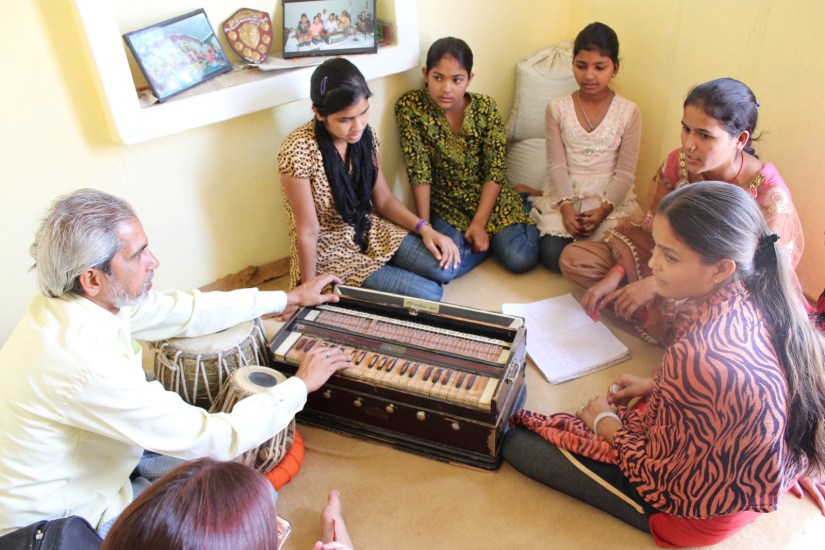
From 2012 to 2014 I learnt Bundeli folk music in Khajuraho (Madhya Pradesh, India) at the local music school for children, where Trivedi Ji, the teacher, ran classes every evening. One of the girls, ten-year-old Sakshi, stood out.
Unlike other girls, Sakshi dared to speak to an unfamiliar adult from abroad, and she was genuinely interested in learning about life in a different country. Unlike her peers, after every class, she stroked up a conversation with me that went beyond the few shy words and nervous laughter with which most kids greeted a foreign visitor. Somehow, she had more depth, more substance.
A friendship soon developed between Sakshi and me. In a town where interactions between local men and foreign women were often driven by sexual interest or money, this offered something refreshingly different: a connection based on genuine curiosity and mutual affection.
Sakshi invited me to her home and introduced me to her family. She took me to her father and grandparent’s small shop; her mother welcomed me with chai while Sakshi played the harmonium and sang. There was something particularly striking about the mums attitude towards her children: she seemed deeply interested in seeing them all – not just her sons – grow into independent adults.

